
Dietitian Course: Long Term Care Work
Webinar: Considering Long Term Care Side-Work for Dietitians

Webinar: Considering Long Term Care Side-Work for Dietitians

By Rochelle Inwood / May 24, 2023 (Podcast guest)
Edited and Updated by Sandra Gentleman, RD
The Clean Keto Diet is one of the latest versions of the ketogenic (keto)diet. With so much information swirling around about the various keto diets, you are probably feeling confused. You are not alone!
As you know, keto and low-carb diets are very controversial. As dietitians and nutrition experts, we try to steer our patients away from restrictive eating patterns because they are generally not sustainable.
Even with this basic philosophy, you probably wish you knew more about low-carb and keto diets.
So…what are the key differences between low carb, general keto, dirty keto, lazy keto, and the clean keto diet?
Your simplified answers are below!
What are the differences between keto diets and low carbohydrate diets?

Keto diets allow fewer daily carbohydrates due to the goal of reaching ketosis. Most adults can reach ketosis if they consume fewer than 50 grams of carbohydrate per day. Many people following a keto diet will consume 20-50 grams of carbohydrates per day.
Most keto diets take into account the other macronutrients (macros), fat and protein, as well. Those following a keto diet may calculate their macros using the following % calorie distributions:
When patients require a therapeutic version of the keto diet, please use the calculator provided by The Charlie Foundation for Therapeutic Keto.
Low carbohydrate diets allow more carbohydrates per day than keto diets. Meaning, those following a low carbohydrate diet eat more carbohydrates than those following a keto diet.
Depending on your resource, low carbohydrate diets may have <26% of total daily calories coming from carbohydrates. These diets can range between 50-150 grams of carbohydrate per day.

Considerations for Defining Carbohydrates in the Diet. For more information on keto and low carb diets, check out this blog post: Is There a Difference Between Low Carb and Keto Diets?
Based on a 2,000-calorie diet, the following definitions could be considered when discussing keto diets (very low-carb keto diet), low carbohydrate, moderate carbohydrate, and high carbohydrate diets:
Very low-carb keto diet
Moderate-carb diet
High-carb diet

Dirty Keto Diet followers focus on macros (example: <10% carb, <25% protein, >65% fat), but they do not worry about the quality of the foods they are eating. In fact, the dirty keto diet can include processed foods, snacks, and even sweets, if these foods fit into the calculated macros.
For example, someone eating a dirty keto diet will not flinch about eating fast-food, consuming fried foods, or taking in higher amounts of saturated and trans fats.
Foods Commonly Found on The Dirty Keto Diet
Those following the Lazy Keto Diet only track their carbohydrate intake. They do not account for how much protein and fat they are eating each day.
Typically, those following the Lazy Keto Diet will limit only their carbohydrate intake to <10% of their total energy intake or fewer than 50 net grams of carbohydrates per day.
What are Net Carbs?
Net carbs are calculated by subtracting fiber (and sugar alcohols – if you have that information) from the Total Carbohydrate number found on the food label.

Calculating Net Carbs. Net Carbs = (Total Carbohydrate – Dietary Fiber).
For this food item, you would subtract the Dietary Fiber (4 grams) from the Total Carbohydrate (37 grams) for a total of 33 net grams of carbohydrate.
Foods Commonly Found on The Lazy Keto Diet
Any food can be consumed on the lazy keto diet. Those following this eating pattern restrict their total net carbohydrate intake to <50 grams of carbohydrate per day, but they do not account for protein and fat intake.

Those following a Clean Keto Diet will calculate their macros, and they focus more on eating high quality whole foods. A “Clean Keto Diet” focuses on unprocessed, whole, nutrient dense foods.
Foods Commonly Found on the Clean Keto Diet
Yes, there are risks and side effects that can occur from following a keto diet. These, and other side effects should be considered before anyone starts a keto diet.
Some of the most common side effects include:
The keto diet should not be considered a safe eating pattern if a person has a fatty acid oxidation defect, a carnitine or pyruvate deficiency, or disorders of the heme biosynthesis pathway (5, 16).
These conditions should be ruled out before anyone considers a keto diet.
Additional Considerations Before Starting a Keto Diet
In addition to the medical conditions above, there are several other diagnoses that should be considered potential risks for those thinking about following a keto diet. Medical conditions that should be reviewed and discussed by the patient with their medical team include, but not limited to:
There are several versions of low-carb and keto diets, which can be very confusing. Understanding the latest versions and differences between low carb, keto, dirty keto, lazy keto, and clean keto diets can help you understand what they are all about.
If you are a healthcare provider looking for more information on low carb and keto diets so you can have better conversations with your patients about low-carb and keto diets, consider checking out my book: The Keto Conversation – A Guide for Dietitians and Healthcare Providers.
*As an Amazon Associate, I earn a commission on qualifying purchases.

The Keto Conversation: A Guide for Dietitians and Healthcare Providers
Check out the My Wife The Dietitian podcast where I had the opportunity to speak with the fabulous Sandra and Rob Gentleman about this hot topic.


Wendy Shah, RD
Registered Dietitian
Guest writer and podcast guest
Edited and updated by Sandra Gentleman, RD
Since 2008, over 3000 health care professionals have trained with the Craving Change program to help people make and maintain positive eating habits for their health and well-being. Craving Change was developed by registered dietitian, Wendy Shah and clinical psychologist, Dr. Colleen Cannon who have decades of clinical experience working with people who struggle with their eating. Based on the cognitive-behavioural model of psychology, the program gives people tools to help them understand why changes are challenging and provides step-by-step instructions for how to better manage their eating habits and food cravings.
Eating is very personal. We all have our own, unique relationship with food. This relationship began from the moment we were born. We have many associations with food and we eat for a variety of different reasons. Some of us have been advised to alter our eating habits for medical reasons. At times, we may feel that what, when or how much we eat is a concern for our health.
The goal of Craving Change is to increase what is called your ‘eating self-efficacy’. Eating self-efficacy is the confidence and skills that you have to manage your eating behaviour, especially in challenging social situations or when experiencing negative emotions.
Why it’s Hard to Change
We are all eating under the influence of many factors that affect what, when and how much we eat. In our society, we are exposed to food and to messages inviting us to eat almost every hour of the day. In addition to exploring our food environment, the program considers your body’s response to different factors that can work for you or against you. It also helps you understand how some of your eating habits have been learned, and how they can be unlearned.
What Needs Changing
Your eating habits may be affected by certain circumstances, emotions, or thoughts that you are unaware of. The program provides a variety of worksheets and techniques for increasing your awareness of your personal eating triggers. Awareness is key to successful behaviour change.
How to Change
By following the Craving Change step-by-step instructions, you can experiment with over a dozen cognitive-behavioural strategies and learn skills to help you manage your personal eating triggers and responses.
Keep the Change
It’s one thing to change a behaviour, it’s another to maintain that change over time. The program teaches you evidence-based strategies to help you sustain your new, positive eating habits.
Here’s a short Psychology 101 lesson. The cognitive-behavioural or CBT model examines the link between how you think, how you feel and how you behave. It is the gold standard for interventions in countless health care settings including mental health and disease management. The cognitive-behavioural approach is effective in helping people who face a wide range of challenges, from A (anxiety) to Zzzz (sleep), including smoking cessation and eating behaviour change.
There’s no doubt that what you’re thinking and how you’re feeling affects what and how you’re eating. For example, many people describe themselves as an ‘emotional eater’. Craving Change tools and activities help you become more aware of your thoughts and feelings. This is important if you’re keen to change your eating.
The CBT model can be described using an iceberg analogy.
An iceberg looks like a little island of frozen snow floating in the ocean. It’s big. However, under the surface of the water lies a much, much bigger chunk of ice. In fact, almost 90% of the iceberg is under the water where we can’t see it.
Think of the visible tip of the iceberg as your eating behaviour. This would be what, when and how much you’re eating. Take a moment to look at the iceberg image below. Imagine that you’re a busy parent with young children. You find yourself eating ice cream in the evening. This is your eating behaviour. But this is just the tip of the iceberg. Beneath your eating behaviour lie the answers to ‘why’ you’re eating the ice cream. This is what you can’t see. It’s what is going on in your mind.

Beneath your eating iceberg are thoughts (green quotations) and emotions (blue font). Thoughts and feelings that you are likely not aware of at the time. Yet, what you’re thinking and how you’re feeling can have a powerful effect on what, when and how much you’re eating.
You may feel fine about your regular habit of eating ice cream in the evening. That’s okay. However, if you are concerned that it could be a problem for your health and well-being you could try a cognitive-behavioural approach. You likely don’t need tips or recipes for more nutritious evening snacks. It may be more helpful to explore ways to address some of the concerns and circumstances under the surface of your eating iceberg. Simply recognizing that food may be serving as a coping measure or reward is a first step. You could then consider other ways to fulfill these needs other than eating.
Here’s a simple technique to help you start tuning into why you are eating. First, it’s important to understand that we eat for many different reasons. For example, we often eat if we’re celebrating, bored, stressed, lonely, tired, procrastinating, or feeling overwhelmed. We also like to experience the pleasure of food – its appearance, smell, taste, and texture. Eating is a way of connecting with others and it can be soothing and comforting. Of course, we also need to eat food for nourishment and energy. All these reasons for eating are normal and okay.
Let’s consider that we can have three types of hunger for food:

Stomach hunger
This is the physical need for food. It’s been over four hours since you’ve eaten. Your stomach may be growling. Stomach hunger also refers to times when you might eat for a medical reason, for example to prevent a low blood sugar if you take insulin. You are eating for the well-being of your body.

Mouth hunger
This can be described as a food craving. Have you ever stood in front of the fridge or cupboard looking for something to eat with a certain taste, texture or smell? “Where are those salty, crunchy chips? No, that’s not it. I want creamy . . . where’s the ice cream?” You crave the sensory pleasure of food.

Heart hunger
This type of hunger refers to when you are eating in response to your emotions or how you’re feeling mentally, not physically. Heart hunger can also refer to a learned behaviour around food and eating such as growing up having dessert after every meal.
To learn more about your eating behaviour, try this simple technique. When you’re thinking about food or you’re about to eat, ask yourself the question, “Is this stomach, mouth or heart hunger?” Do so with curiosity and interest. Avoid any judgement. Each type of hunger is normal and acceptable. If you are concerned with your eating behaviour, simply becoming more aware of why you’re eating or thinking about food can help you understand your relationship with food. What are your eating triggers? How do you respond to these triggers?
Heart Hunger
Don’t be surprised if you discover that you often have ‘heart hunger’. This is very common. The problem is that eating seldom provides an effective solution for heart hunger. For example, if you feel bored and go to the kitchen for a snack, this gives you something to do for 10 to 15 minutes, but afterwards you’re still bored. And, for some people, they then also feel discouraged or frustrated with themselves for eating when they weren’t physically hungry. Knowing this about yourself gives you an opportunity to try something different to satisfy your heart hunger. If you tune into your thoughts as you’re walking over to the kitchen and realize that you’re bored, try a different activity first before you eat. For example, phone a friend, walk around the block, do some stretching and deep breathing, or watch some entertaining videos online.

How can something invisible have such a powerful effect on our behaviour? Our thoughts definitely influence what, when and how much we eat. Have you ever thought . . .?
“It’s been a rough day. I deserve a treat.”
“I shouldn’t have had that donut. I’ll have to get back on track tomorrow. I may as well eat what I want for the rest of the day.”
“Boy, this is a big serving, but I don’t want to waste food. I better eat everything on my plate.”
“I know that this food isn’t great for my health, but I can’t pass up this great sale.”
It can be very enlightening to listen to the conversations that you have in your head. What are the messages that you hear? Are they accurate? Are they helpful? How would your eating behaviour be different if you challenged and adjusted your thoughts? These are topics that are discussed in the Craving Change program.
To learn more about the Craving Change program and CBT strategies, visit www.cravingchange.ca/public. Make sure to read the ‘Stories’.
Craving Change Clinicians include dietitians, social workers, psychologists, and other health care professionals. Trained clinicians offer one-on-one Craving Change services and/or group workshops. Many provide online (virtual) services. This means that you can work with a clinician located in a different city or town than where you live.
The clinicians work in a variety of settings including:
Click here for the Find a Clinician page plus more information about the program, individual counselling, workshops, cost and program resources.
You can also check out the illustrated children’s book entitled, ‘Is this stomach, mouth or heart hunger?’ at www.cravingchange.ca/4kids. Here’s where you can download free worksheets and activities that address the three types of hunger. The book and resources are written for children but many adults tell us that they find them helpful as well.


Sandra Thies, RD
Registered Dietitian
Certified Intuitive Eating Counselor
Guest writer and podcast guest

Intuitive Eating (IE) is “a self care eating framework which integrates instinct, emotion, and rational thought“. The concept and name was created by two dietitians, Elyse Resch and Evelyn Tribole in 1995.
Intuitive Eating is a weight inclusive, evidence-based model with a valid assessment scale and over 100 studies to date. But what does this actually mean? IE is a mind-body approach, meaning that it integrates emotions, feelings, and physical sensations surrounding food, eating, hunger & fullness, and your body. It is a weight neutral approach, which means IE prioritizes mental and physical health over weight, and when we look at health from a weight neutral perspective, weight is not part of the equation.
IE helps to cultivate something called interoceptive awareness – the ability to be aware of and respond to internal signals. This is where the integration of emotions, feelings, hunger and fullness signals, and body sensations come into play. Another way of referring to this principle is simply saying listening and trusting your body. It’s much easier to say than to do, however, as diet culture pushes us to ignore the messages that our bodies send to us regarding hunger and fullness.
A big part of Intuitive Eating is the rejection of diet culture (the set of assumptions and beliefs that appearance and body shape are more important than physical, mental, and general wellbeing). We talk about diet culture so much in IE because it is inherently harmful to everyone’s wellbeing. Diet culture fuels feelings of guilt and shame, drives consequential habits in hopes of losing weight, and causes internalized judgment and self criticism – all at the expense of physical and mental health.

Quit dieting once and for all, break out of the harmful diet cycle.
Build confidence in your body and feel comfortable in your own skin.
Feel connected to your body and have an ability to listen and respond to your body’s needs.
No longer have your brain space be taken up by thoughts of food, eating, and your body.
Participate in movement that genuinely feels good and leaves you feeling energized and positive.
Find nutrition practices that feel good, emotionally, and physically – find foods that leave your body feeling energized, while also incorporating foods that get you excited and taste great.
Develop a toolbox of self-care practices that will help you cope with emotions with kindness.
A sense of self respect and body trust, knowing that your body is enough, and it is good just as it is and if it changes.
Feel in control of your choices around food, your body, and movement.

IE is just eating whatever you want.
It is about learning how to listen to your body instead of listening to the messages of diet culture when it comes to making choices about your health. IE does encompass unconditional permission to enjoy foods, but it is truly about finding foods that make your body feel good, mentally, and physically. Intuitive eating is NOT impulsive eating.
IE is the same thing as mindful eating.
IE is differentiated from mindful eating. Mindful eating is a part of IE, but the IE framework is much broader and includes several principles that are not part of mindful eating. Mindful eating is often an exercise that we will use in the journey of IE.
I won’t be able to stop eating these forbidden foods once I start, and I’ll just keep gaining weight.
This is a scary one, because you are coming from a place where those forbidden foods have power over you, and we’re going to take that power back. This is where mindful eating can be helpful – IE is about finding foods that make your body feel good, and that you actually enjoy eating. Often, with forbidden foods, we tend to eat them in a frenzy because ‘we’re not supposed to’, so we try to finish them as fast as possible, not taking time to taste and enjoy them. When you give yourself a mindful eating experience with one of these foods, you’ll be able to pay attention to how they taste, how they feel in your body, and how your body feels after eating them. It is this information, then, that helps you make decisions about when and if you want to eat them later.
Once I become an intuitive eater, I’ll lose weight.
There are too many influencers out there and big social media accounts that promote the fact that they lost weight when they started Intuitive Eating. It is true that your body may change when you start to implement some of the IE practices, but what we don’t know, is how your body will change. Each person has what’s called a set point weight, which is a weight that your body is naturally comfortable at, and this can fluctuate +/- 10 pounds. It is almost impossible to truly immerse in IE if you still have a focus on weight loss being the end goal. With weight loss in mind, you won’t be able to honor what your body is telling you, and you may try to override those messages with things you feel you ‘should’ be doing – and this is where IE can turn into another diet.

Try out some mindful eating exercises – remove distractions, step away from your computer and phone, take more time to eat, follow a scripted mindful eating activity if that is helpful.
Identify and brainstorm your values – why are you going down this path? What motivates you?
Re-define health in a way that resonates with you and aligns with your values, not with the ones that diet culture has forced upon us.
Start to listen to your body, identify and reflect on feelings and emotions. What does hunger present as? How does fullness feel in your body? When do you feel content/excited/satisfied/pleased? What makes you feel anxious/worried/apprehensive/stressed out?
Shift your language & narrative. Stop using the words ‘should and shouldn’t’. Recognize when negative self talk takes over. Pay attention to the narratives you hold and the stories you tell yourself about your eating habits and your body.
Wanting more support? Interested in getting started on your Intuitive Eating journey or feeling stuck somewhere in the middle of dieting and IE? Sandra is here to be the support that you need.
Visit her website at https://www.embracingintuition.ca or send her an email at sandra@embracingintuition.ca and book a FREE 15 minute discovery call today.
To get some more IE content on your feed, check out her Instagram @embracingintuition.
Author: Lisha Knicely, RDN, IFNcP (Guest writer and podcast guest)
Edited and updated by Sandra Gentleman, RD
Thyroid function is an essential part of our overall health, and making the right nutritional adjustments is key to keeping things optimal. Whether you have a thyroid condition or not, the foods you eat can affect your thyroid function in a big way.
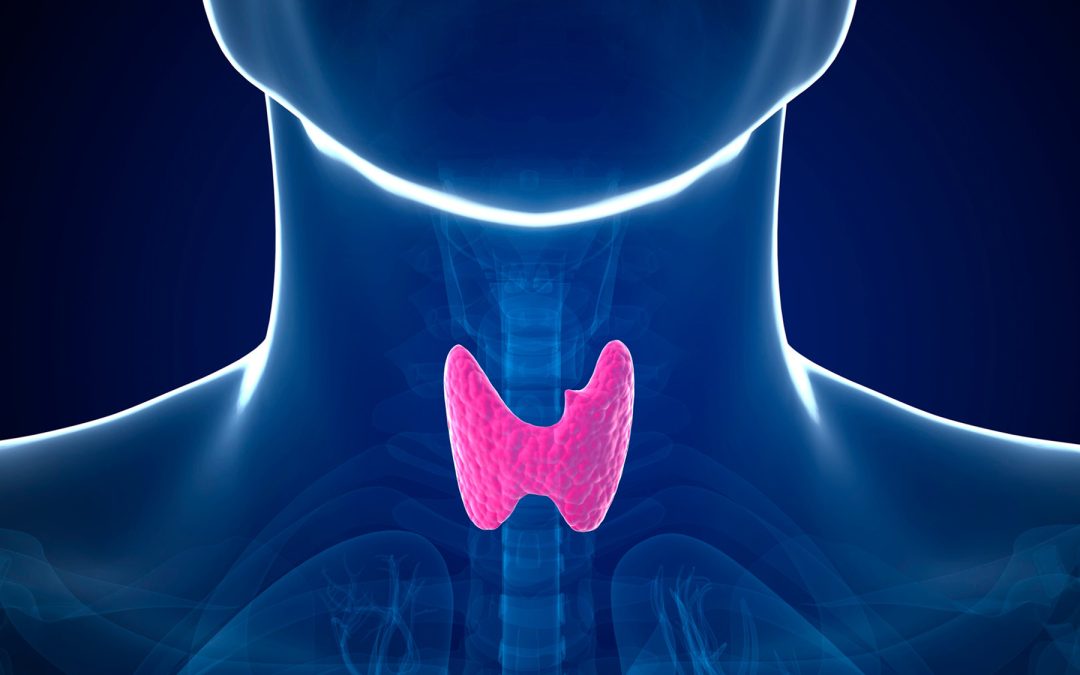
The thyroid is a small butterfly-shaped gland located in the neck that produces hormones that regulate metabolism, growth, and development. In hypothyroidism, the thyroid gland produces insufficient hormones, while Hashimoto’s disease is an autoimmune disease where the body’s immune system targets the thyroid gland, resulting in inflammation and decreased hormone production.
The most common cause of hypothyroidism (in areas of the world where iodine deficiency is not a concern) is Hashimoto’s thyroiditis, accounting for ~90% of cases.
While you may have heard differently from your doctor, nutrition plays a critical role in the management and treatment of both hypothyroidism and Hashimoto’s disease. Making tailored dietary changes can be one way that you naturally support your thyroid health, reduce symptoms, and take control of your overall health.
Trust me, between my personal thyroid healing journey and witnessing hundreds of women implement these simple yet effective recommendations, you too can feel and function like a brand-new person.
Let’s dive in!

Iodine is an essential mineral required for the production of thyroid hormones. Therefore, inadequate iodine intake can result in hypothyroidism. The recommended daily intake of iodine is 150 micrograms for adults. Iodine-rich foods include seaweed, fish, shrimp, dairy, and eggs. However, if you have Hashimoto’s, more is not always better. Excess iodine may trigger an autoimmune flare so be mindful of consuming too much iodine-rich foods and supplementing beyond the recommendation for adults. Always work with your healthcare provider before trying new supplements.

Selenium is another mineral that’s essential for thyroid function. It helps convert inactive thyroid hormone to its active form, and also has antioxidant properties that protect the thyroid gland from oxidative stress. Good sources of selenium include Brazil nuts, tuna, sardines, and eggs. Just don’t go crazy with the Brazil nuts, or you’ll end up with too much selenium, if you can believe it! 1-2 Brazil nuts daily is plenty.

Protein is essential for thyroid hormone synthesis and adequate protein in your diet is crucial for maintaining proper thyroid function. Proiritizing protein can also help support a stable appetite, steady blood sugar levels, and assist with healthy weight loss. Good sources of protein include lean meats, beef, fish, poultry, beans, legumes, and high-quality protein powders.

Fiber helps regulate digestion and prevents constipation, a common symptom of hypothyroidism. Fiber is also fuel and nourishment for a healthy microbiome; another important area to support if you have Hashimoto’s. Some of my favorite high-fiber foods include berries, avocados, beans, apples, carrots, greens, broccoli, nuts, and seeds. Aim for > 30 g daily; your gut (and your thyroid) will thank you.
Goitrogens are naturally occurring substances that can interfere with thyroid hormone production by reducing iodine uptake by the thyroid gland. Goitrogenic foods include cruciferous vegetables like broccoli, cauliflower, and cabbage, as well as soy-based products. Don’t worry, you don’t have to give up these foods entirely, you can reduce the goitrogenic levels in these foods significantly through cooking. In fact, you would need to consume a high level of these foods in their raw state to negatively influence thyroid function and many of these vegetables have liver-supportive and antioxidant boosting properties.

Processed foods are often high in refined carbohydrates and unhealthy fats, which can lead to weight gain and insulin resistance. These factors can exacerbate hypothyroidism symptoms as well. Therefore, it’s best to avoid processed foods and focus on whole, nutrient-dense foods a majority of the time.

Studies have shown that individuals with Hashimoto’s disease may benefit from a gluten-free and dairy-free diet. Gluten is a protein found in wheat, barley, and rye, and some people with Hashimoto’s disease may have an autoimmune response to gluten, worsening their symptoms. Similar to gluten, proteins found in dairy can also trigger the autoimmune response and exacerbate symptoms and inflammation. Many adults are also lactose-intolerant, making it difficult to digest dairy properly leading to digestive distress. So if you’re struggling with symptoms despite making other dietary changes, it might be worth giving gluten and dairy-free a try.

Caffeine may seem like a great way to boost energy when you’re dealing with chronic fatigue, but it’s not the wisest choice for those with thyroid disease. Caffeine can interfere with the absorption of thyroid medications, so it’s important if you do consume caffeine to wait for at least 60 minutes after taking your medication. When caffeine is consumed at the same time as thyroid medication, it can reduce the medication’s effectiveness by up to 36%. Caffeine can also negatively impact adrenal function and stress hormones, which can result in unstable blood sugar levels, weight gain, and sleep disruption. If you choose to continue drinking caffeine, enjoy it with or after a balanced breakfast, avoid drinking after noon, and be sure to hydrate well with water throughout the day.

A common pitfall seen with individuals living with hypothyroidism and Hashimoto’s is chronic yo-yo dieting and restrictive eating. When a person consumes too few calories, their body may not have enough energy to produce adequate levels of thyroid hormones, which can lead to a condition known as “low T3 syndrome” or “euthyroid sick syndrome.” This is where T3 (active thyroid hormone) levels are abnormally low, but T4 levels remain normal. Low T3 levels can negatively impact metabolism, energy levels, and overall health. When T3 levels are low, the body’s metabolic rate slows down, making it harder to lose weight and easier to gain weight. This can result in symptoms such as fatigue, weakness, and difficulty concentrating. Work with a Registered Dietitian to help determine a healthy calorie level and a sustainable way to lose weight with hypothyroidism and Hashimoto’s.
Try incorporating these changes into your lifestyle and see the impact that they make. You will likely learn a lot about how your body responds to your diet and notice steady improvements overtime. Remember, you have more influence over your health than you may think, start with these basics and master them. The results will speak for themselves!
Author: Lisha Knicely, RDN, IFNcP
#65 on My Wife the Dietitian to learn all about Thyroid Conditions with Lisha Knicely, RD
